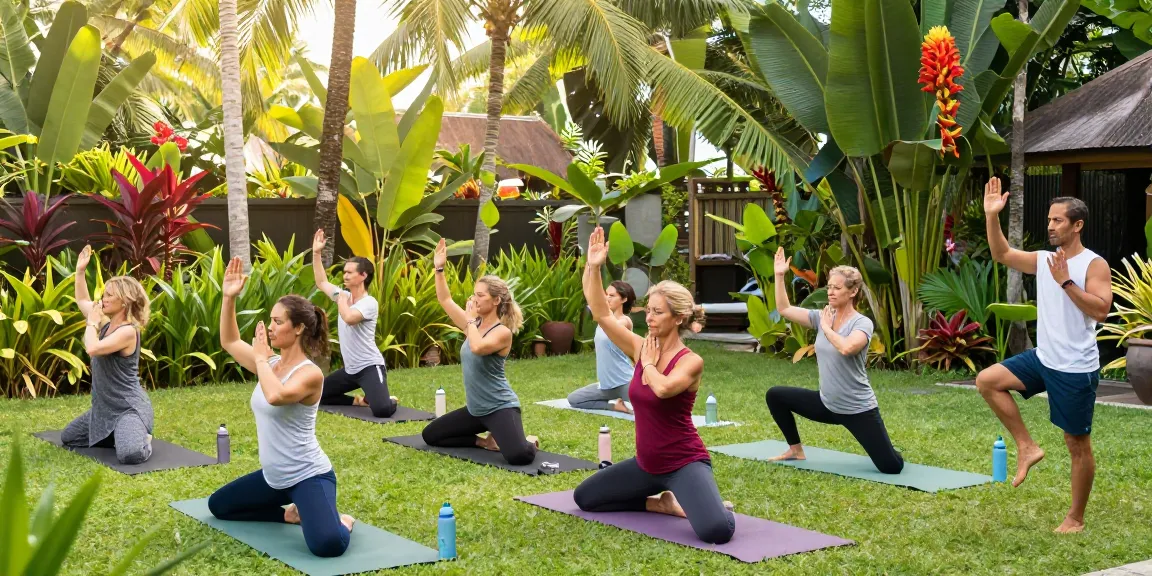
Understanding Qi Gong and Its Benefits
Qi Gong, a holistic practice with ancient roots in Chinese culture, has gained significant popularity worldwide, especially in tranquil locations like Bali. This practice combines gentle movements, breath control, and meditation, which contribute to physical, emotional, and spiritual well-being. When exploring options, Qi Gong Bali provides comprehensive insights into how this practice can transform your health and well-being. In this article, we will delve into the fundamentals of Qi Gong, explore its myriad benefits, and guide you through the best ways to experience it in Bali.
What is Qi Gong?
Qi Gong (pronounced "chee gong") is a traditional Chinese practice that dates back thousands of years. It involves a combination of physical postures, breathing techniques, and focused intention, enhancing the flow of qi (or "life energy") in the body. Unlike other forms of exercise, Qi Gong emphasizes internal awareness, promoting balance and harmony within the body. This practice is accessible to people of all ages and fitness levels and is often described as a moving meditation.
Core Principles of Qi Gong Practices
The core principles of Qi Gong revolve around the following elements:
- Breath Control: Deep, rhythmic breathing is essential in Qi Gong, helping practitioners connect their body and mind, and facilitating the flow of energy.
- Movement: Slow, deliberate movements are characteristic of Qi Gong. These motions help to release tension, improve flexibility, and strengthen muscles.
- Meditation: Qi Gong incorporates mental focus and mindfulness, allowing practitioners to cultivate inner peace and emotional balance.
- Awareness: Heightened self-awareness and sensitivity to the body’s energy are cultivated, enhancing overall well-being.
Health Benefits of Practicing Qi Gong in Bali
Practicing Qi Gong in Bali, with its serene landscapes and spiritual atmosphere, amplifies the health benefits associated with this ancient practice. Some of the noteworthy benefits include:
- Stress Reduction: Qi Gong's meditative nature aids in reducing stress levels and promoting relaxation.
- Improved Flexibility: The gentle movements enhance flexibility and joint mobility, which is particularly beneficial for those recovering from injuries.
- Enhanced Energy Levels: Regular practice promotes the flow of qi, providing a boost in energy while combating feelings of fatigue.
- Better Mental Clarity: The deep focus required in Qi Gong improves concentration and cognitive functions.
- Spiritual Growth: Many practitioners find that Qi Gong cultivates a deeper connection to their inner selves, fostering spiritual exploration and growth.
Finding the Right Qi Gong Retreat in Bali
The abundance of retreats and training centers in Bali makes it a prime destination for those seeking to immerse themselves in Qi Gong practice. With various options available, how do you select the right retreat? Here’s a guide to navigate your choices wisely.
Top Places to Experience Qi Gong Retreats
Bali boasts numerous beautiful venues where you can practice Qi Gong, each offering unique environments and programs:
- Book Retreats: This platform lists various Qi Gong certification retreats, enabling you to find comprehensive training programs that combine philosophy with practice.
- Forest Rock Qi Gong: Known for its tranquil atmosphere, this retreat offers daily Qi Gong training paired with Traditional Chinese Medicine theories.
- Tai Chi Bali: Nestled in the mountains, this center offers Qi Gong alongside Tai Chi practices, perfect for those seeking varied experiences.
Evaluating Qi Gong Certifications and Trainers
When considering a Qi Gong retreat, pay close attention to the qualifications of instructors. A certified trainer should possess the necessary knowledge of Qi Gong principles, movement techniques, and safety protocols. Look for retreats that offer accreditation or certification programs, as these often guarantee a higher standard of instruction.
What to Look for in a Qi Gong Retreat
Several factors can enhance your experience at a retreat:
- Location: Seek retreats set in peaceful, inspiring natural environments that promote relaxation.
- Curriculum: Ensure the program covers various aspects of Qi Gong, including theory and practical applications.
- Group Size: Smaller groups encourage personalized attention from instructors and foster a deeper connection with fellow participants.
- Accommodations: Look for comfortable, quiet accommodations that offer amenities conducive to relaxation and recovery.
Common Misconceptions about Qi Gong
Despite its growing popularity, many misconceptions about Qi Gong persist. Understanding these myths can help potential practitioners make informed decisions.
Debunking Myths: Qi Gong is Just Meditation
While meditation is a key component of Qi Gong, it’s more than just sitting quietly. Qi Gong incorporates dynamic movements, making it a comprehensive body-mind practice that engages both movement and stillness.
Misunderstanding the Physical Aspects of Qi Gong
Some individuals believe Qi Gong lacks physical benefits, perceiving it merely as a form of meditation. In reality, its gentle exercises improve strength, coordination, and flexibility, challenging the notion that it’s solely a mental practice.
Clarifying the Spiritual Side of Qi Gong Practice
Another misconception is that Qi Gong is solely a spiritual practice detached from physical wellness. However, the two aspects are deeply interconnected, promoting a holistic approach to health that encompasses both physical fitness and spiritual growth.
Choosing the Right Qi Gong Style for You
With various styles of Qi Gong available, selecting one that aligns with your personal goals and preferences is crucial for an enriching experience.
Different Styles of Qi Gong and Their Focus
Qi Gong comprises numerous styles, each with unique focuses:
- Medical Qi Gong: Aimed at promoting healing and managing specific health concerns through tailored exercises.
- Spiritual Qi Gong: This form emphasizes internal work, developing consciousness and spiritual awareness.
- Martial Qi Gong: Integrates self-defense strategies with physical training, enhancing strength and agility.
How to Match Your Goals with the Right Style
Before beginning, consider what you hope to achieve from your practice. For those focusing on health, Medical Qi Gong may be suitable, while those seeking emotional balance might find Spiritual Qi Gong more beneficial.
Beginner vs. Advanced Practices in Qi Gong
Beginners can start with foundational Qi Gong practices focusing on basic movements and breathing techniques, while advanced practitioners can explore more complex forms and concepts. Always choose a level that matches your experience to foster confidence and enjoyment in your practice.
The Future of Qi Gong in Bali: Trends and Predictions
As interest in holistic health expands, Qi Gong is poised to grow further in popularity, especially in wellness-oriented destinations like Bali. Here’s what to expect in the future.
Emerging Trends in Qi Gong Practices by 2026
By 2026, expect to see a surge in hybrid retreats that blend Qi Gong with other wellness practices such as yoga, nutrition, and mindfulness, catering to the growing demand for integrated health experiences.
The Role of Technology in Modern Qi Gong
Technological advancements will likely influence Qi Gong practices, with virtual classes and apps enabling broader access to instruction. This development will allow practitioners to engage with experienced teachers globally, transcending geographical barriers.
Community and Cultural Impact of Qi Gong in Bali
The growing Qi Gong community in Bali is fostering cultural exchange and collaboration among practitioners worldwide. As more people engage with this ancient practice, expect to see enhanced dialogue around health, wellness, and spiritual growth.
What are the best times to practice Qi Gong in Bali?
The ideal times to practice Qi Gong in Bali are during the early morning or late afternoon when the temperatures are milder, and the tranquil ambiance enhances focus and relaxation.
How does Qi Gong differ from Tai Chi?
Though Qi Gong and Tai Chi share similarities, they differ significantly. Qi Gong emphasizes the cultivation of energy through various movements and breathing techniques, while Tai Chi is primarily a martial art form performed in a slow, choreographed manner.
Can beginners participate in Qi Gong classes?
Yes, Qi Gong is accessible for beginners. Many classes are designed to accommodate different skill levels, allowing newcomers to learn at a comfortable pace.
What should I expect during a Qi Gong retreat?
During a Qi Gong retreat, anticipate a mix of meditation, movement sessions, and educational discussions about Qi Gong principles. These retreats typically foster a supportive environment, encouraging exploration and personal growth.
Are there health risks associated with Qi Gong?
Qi Gong is generally safe, with minimal health risks. However, as with any physical activity, individuals should consult with healthcare professionals before starting any new exercise regimen, especially if they have pre-existing health conditions.